RSS
RSS
_-The-Breakthrough-Antipsychotic-That-Could-Change-Everything.webp?t=1729528747 "KarXT (Cobenfy)_ The Breakthrough Antipsychotic That Could Change Everything.jpg")
How to help bipolar patients manage holiday stress, and a new drug interaction with lithium and GLP1 agonists like semaglutide (Ozempic).
Publication Date: 12/08/2025
Duration: 18 Minutes, 33 seconds
Transcript:
CHRIS AIKEN: You don’t need to listen to this podcast to understand holiday stress. But tune in, and you will learn about three unique holiday stresses that worsen bipolar disorder, and a new drug interaction with lithium and semaglutide, aka Ozempic. Welcome to the Carlat Psychiatry Podcast, keeping psychiatry honest since 2003. I’m Chris Aiken, the editor-in-chief of The Carlat Report. And I'm all alone this holiday as our co-host, Kellie Newsome, is away at a conference. So I thought I'd do a Christmas special. Psychiatric practice has its seasons, and this time of year, there’s a steady buildup of patients who dread the holiday season. The reasons are many. Some are left out of the holiday gatherings. Others feel forced to attend and face the awkward questions about what they are up to in life, something people who are living on disability or just dropped out of school due to mental illness would rather not explain. Then there are our patients who feel the burden of hosting themselves - buying presents and organizing parties. Not easy to do when your frontal lobes have ground to a halt and can’t prioritize and the steps in even the simplest of tasks like getting dressed or brushing your teeth. Family traumas get reactivated. Dormant addictions are challenged by the Chocolate Babkas and Yuletide wine. Then there’s winter depression. One in five people have some degree of seasonal shifts into depressive symptoms – particularly the atypical ones of overeating, oversleeping, and leaden paralysis. That’s one in five for subthreshold seasonal depression – for full seasonal depression, the rate is lower, around 5%. For patients with bipolar disorder, these seasonal shifts is even higher, approaching 50% with bipolar whose mood worsens in the wintertime. It’s the morning light that is missing in winter depression, as the sun comes up later and with less intensity, particularly for people living north of, say, Tulsa, Oklahoma, or Charlotte North Carolina. And if your patient uses light therapy for winter depression, they’ll get the best results by sitting under the light early in the morning – usually between 5 am and 8 am – closer to 5 am if they are a morning person and closer to 8 am if they are a night owl. It’s that bright burst of morning light that sets circadian rhythms, elevating cortisol and suppressing melatonin, setting the gears of the biological clock. That’s why when patients have insomnia, my number one tip is to get out of bed at a regular time, earlier the better, and get plenty of light in the morning. There’s another source of circadian disruption during the holidays that is particularly problematic for bipolar disorder. It’s the disruption of social and work routines. Sounds benign, even a nice change of pace, but not for bipolar. Psychologist Ellen Frank found that the timing of four key daily routines keeps mood episodes in check. They are:
- The time you get out of bed.
- The time you start work, chores, school, or other goal-directed routines.
- The time you first have meaningful, engaging social interactions.
- The time you eat dinner
People can cut their bipolar episodes approximately in half by doing those at the same time each day, give or take 30 minutes, through social rhythm therapy, where they actually learn to personalize the routines that stabilize their own mood – these four are just the most common. That’s easier to do when the external world demands it, but during the holidays, everyone from court stenographers to college students can get a little out of sorts. The key to staying stable in these times is to find replacements for the routines. So if your patient is used to starting work at 9 am, they should start another goal-directed activity at that time, like sightseeing, paying bills, or organizing the house. They may need to be more intentional about a wind-down time at night during the holidays, with dim lights and soothing activities. And if they are traveling, they can gradually adjust their sleep and wake times to avoid jet lag, which can trigger new episodes. Sleep researchers have created an online guide to prevent jet lag – just Google Jet Lag Rooster. It’s on the Sleepopolis website now. This is only necessary for travel over 2 or more time zones – that’s when the risk of mood episodes really goes up. More mania and psychosis when traveling east, and more depression when traveling west, and if you're like me and find that hard to remember, it's easy with a rhyme: “The west gets depressed”. Here’s a preview of the CME quiz for this episode. Earn CME for each episode through the link in the show notes or on our website.
1. Which lifestyle factor slightly lowers lithium levels
A. Shifting to a low salt diet
B. Sleeping less
C. Exercising more
D. Eating healthier
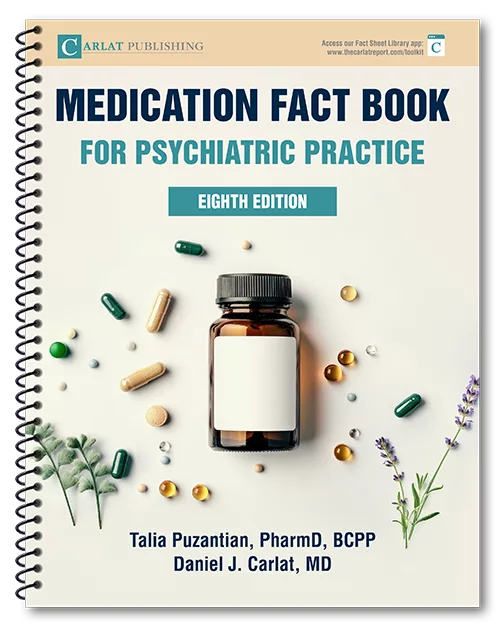
This business about work and social rhythms being out of sorts in December has gone on for a long time in human history. In fact, that’s probably why we celebrate Christmas in this month. In an agricultural society, December brings a rare mixture of abundance and leisure. Sounds nice, you have a lot of rich meat and produce to consume from the Fall harvest – and before refrigeration, you had to eat it up before it rotted. And there was little to do. Too early for the planting season, too late for the harvest. So a good time for spiced wine and merriment. That's also how we got to so many Christmas presents. In the early days of Christmas – this is before the 1800s – most of the gift-giving stemmed from this agricultural overflow, and the giving flowed from the aristocracy to the lower classes, buffering the ever-present class tensions. On the 12th night of December, feudal lords were expected to give food, wine, or money to their peasants. If they did, the peasants blessed them; if they did not, their house might be vandalized. This practice evolved into wassailing, or Christmas caroling, where people went door to door in wealthy neighborhoods singing carols in exchange for cookies or gifts. That tradition lives on in the form of charitable giving and Christmas bonuses, but as we shifted toward industrialization, the gift giving shifted away from the poor and toward our own children. The shift started in the 1820s, as city shops and factories turned out manufactured luxuries that took the place of farmed produce. It was New York City that led the charge, setting into verse the gift giving tradition of Santa Claus in the 1823 poem The Night Before Christmas. With all these December lifestyle changes – eating more, exercising less, crossing time zones – will we see any shifts in lithium levels? Probably not. The best data we on that is a study from 2023 that checked lithium levels every two weeks and correlated them with various lifestyle factors. Sleep, diet, alcohol, and drug use had no impact on lithium levels in that study, unless they switched to a low salt diet, which raises lithium. So in that study, only two things caused it to shift: weight gain and exercise, and the effect was very small. It was equivalent to lowering the lithium dose by 100-9200 mg, or the level by 0.03 to 0.05 meq/l, so if you shifted from a sedentary to an active lifestyle, increasing daily steps from 5000 to 15,000, or dropped your BMI by 2 points, you would get a lower lithium level. We're talking like going from 0.65 to 0.6 difference, not a big difference. Again, exercising more and lowering your BMI can raise lithium a little bit, but most other lifestyles don't. Why do we see these lithium shifts? It’s likely people sweat out more lithium when they exercise, and obesity affects the rate of lithium clearance through the kidneys. During the holidays, you might see holiday lithium changes from winter flu, which raises lithium through dehydration and reflexive NSAID use that patients often do without even thinking about it, even if we've warned them not to. But the most common reason for unusual levels is patient error – including the dosing errors that patients don’t remember making, which is most of them. All the more when traveling and changing routines. So lifestyle changes are unlikely to make a major difference, but here’s a new drug interaction you should look out for that can push lithium over the top: Semaglutide, otherwise known as Ozempic, and possibly other GLP-1 agonists. This interaction first came to attention a year ago, with a poster presentation at the Academy of Consultation-Liaison Psychiatry in Miami. A 59 year old man whose lithium rose to 2.6 within 6 weeks of starting Semaglutide. Then came published reports. In August, a 41-year-old woman whose lithium rose from 0.9 to 2.4mEq/L within a week of starting semaglutide. In October, a 63-year-old man who developed toxicity after starting Semaglutide – this patient had renal insufficiency already, but that was not the cause; his creatinine was improving when the toxicity was discovered (Arriola Montenegro, J., Ordaya Gonzales, K., Thongprayoon, C. & Cheungpasitporn, W. (2025). Semaglutide-Induced Lithium Toxicity in a Patient Being Treated for CKD. Journal of the American Society of Nephrology, 36 (10S)). In November, a report of 3 cases of lithium toxicity after starting Semaglutide at the Mayo Clinic. I’ve spoken with the team there, and they are also aware of a case on tirzepatide (Zepbound) and another tirzepatide case posted on Reddit, so it may be any GLP-1 can do this, though we don’t know how common the interaction is and who is at risk.These kind of drug interactions vary widely by patient, and you’re probably not going to see high lithium levels in everyone who takes Semaglutide, but it’s something to watch for and check levels more often. The mechanism is unknown, but here’s some likely candidates: First, GLP1s can cause dehydration, which raises raise lithium. That dehydration can also impair renal function, raising lithium further, but in the actual cases, the creatinine was usually stable, and I don't wanna alarm you about any kind of additive renal damage with starting a GLP one while they're on lithium. The GLP-1s also protect the kidneys, especially in diabetes, and a review of the FDA’s adverse reporting system suggests that GLP-1s may protect against renal damage from lithium in the long term. There may be obscure Sodium channel interactions. Another reason is increased absorption, as the GLP slows down the GI tract, more lithium is absorbed. We can also see lithium toxicity after gastric bypass for the same reason – increased absorption. So you can still use GLP1s with lithium. You just gotta be cautious about this potential and check the levels more often. But if you're thinking like much of the media suggests that GLP1s are gonna be a panacea for mental health, Santa has brought some bad news this Christmas recently, the GLP1s disappointed in several neuropsychiatric outcomes, in a randomized trial of major depression, failing to reduce depression or improve cognition in the first randomized trial to test that use, and failing to prevent cognitive decline in two large, industry-sponsored trials of dementia. Those trials involved semaglutide, and they sent the share price of Novo Nordisk plummeting. As for binge eating, you would think they would work there. Actually, half the trials are negative, so it's not clear, so much for improving mental health with GLP ones. So much for improving mental health, but they continue to gain support as an antidote for antipsychotic weight gain. Including this year, they were included in the integrate practice guidelines for managing antipsychotic weight gain. As for lithium-induced weight gain, you can also use them there I suppose, with caution on that interaction – but you probably won’t need to. Lithium caused no discernable weight gain in recent meta-analysis of long- and short-term trials, as well as in a review of FDA reports of severe weight gain on mood stabilizers, lithium had no signal there, does that suprise you? It surprised me. But lithium probably does not cause much weight gain, something that we can reassure our patients about, that if it does, it's not statistically detectable. What I tend to see, though, is some increased water retention on lithium, which can resemble weight gain, but not very much. A heartfelt happy holiday to all of our podcast listeners. Thank you for sharing the holidays with me this episode, and we’ll be back next week with our new Wounded Healers series. This holiday season, I’ll be working on a new Carlat Fact book focused on complementary and alternative treatments in psychiatry, and our best-selling Medication Fact Book is out in a new edition. A major overhaul. You can find that on our website, along with my new textbook, Difficult to Treat Depression. In it, you’ll learn why lithium is one of the few meds that robustly prevents depression – even unipolar depression. The book features 15 antidotes for lithium side effects, including aspirin for sexual dysfunction, amiloride for nephrogenic diabetes insipidus, and N-acetylcysteine to prevent renal disease. It’s available in print or audio.
1. Which lifestyle factor slightly lowers lithium levels
A. Shifting to a low salt diet
B. Sleeping less
C. Exercising more
D. Eating healthier
This business about work and social rhythms being out of sorts in December has gone on for a long time in human history. In fact, that’s probably why we celebrate Christmas in this month. In an agricultural society, December brings a rare mixture of abundance and leisure. Sounds nice, you have a lot of rich meat and produce to consume from the Fall harvest – and before refrigeration, you had to eat it up before it rotted. And there was little to do. Too early for the planting season, too late for the harvest. So a good time for spiced wine and merriment. That's also how we got to so many Christmas presents. In the early days of Christmas – this is before the 1800s – most of the gift-giving stemmed from this agricultural overflow, and the giving flowed from the aristocracy to the lower classes, buffering the ever-present class tensions. On the 12th night of December, feudal lords were expected to give food, wine, or money to their peasants. If they did, the peasants blessed them; if they did not, their house might be vandalized. This practice evolved into wassailing, or Christmas caroling, where people went door to door in wealthy neighborhoods singing carols in exchange for cookies or gifts. That tradition lives on in the form of charitable giving and Christmas bonuses, but as we shifted toward industrialization, the gift giving shifted away from the poor and toward our own children. The shift started in the 1820s, as city shops and factories turned out manufactured luxuries that took the place of farmed produce. It was New York City that led the charge, setting into verse the gift giving tradition of Santa Claus in the 1823 poem The Night Before Christmas. With all these December lifestyle changes – eating more, exercising less, crossing time zones – will we see any shifts in lithium levels? Probably not. The best data we on that is a study from 2023 that checked lithium levels every two weeks and correlated them with various lifestyle factors. Sleep, diet, alcohol, and drug use had no impact on lithium levels in that study, unless they switched to a low salt diet, which raises lithium. So in that study, only two things caused it to shift: weight gain and exercise, and the effect was very small. It was equivalent to lowering the lithium dose by 100-9200 mg, or the level by 0.03 to 0.05 meq/l, so if you shifted from a sedentary to an active lifestyle, increasing daily steps from 5000 to 15,000, or dropped your BMI by 2 points, you would get a lower lithium level. We're talking like going from 0.65 to 0.6 difference, not a big difference. Again, exercising more and lowering your BMI can raise lithium a little bit, but most other lifestyles don't. Why do we see these lithium shifts? It’s likely people sweat out more lithium when they exercise, and obesity affects the rate of lithium clearance through the kidneys. During the holidays, you might see holiday lithium changes from winter flu, which raises lithium through dehydration and reflexive NSAID use that patients often do without even thinking about it, even if we've warned them not to. But the most common reason for unusual levels is patient error – including the dosing errors that patients don’t remember making, which is most of them. All the more when traveling and changing routines. So lifestyle changes are unlikely to make a major difference, but here’s a new drug interaction you should look out for that can push lithium over the top: Semaglutide, otherwise known as Ozempic, and possibly other GLP-1 agonists. This interaction first came to attention a year ago, with a poster presentation at the Academy of Consultation-Liaison Psychiatry in Miami. A 59 year old man whose lithium rose to 2.6 within 6 weeks of starting Semaglutide. Then came published reports. In August, a 41-year-old woman whose lithium rose from 0.9 to 2.4mEq/L within a week of starting semaglutide. In October, a 63-year-old man who developed toxicity after starting Semaglutide – this patient had renal insufficiency already, but that was not the cause; his creatinine was improving when the toxicity was discovered (Arriola Montenegro, J., Ordaya Gonzales, K., Thongprayoon, C. & Cheungpasitporn, W. (2025). Semaglutide-Induced Lithium Toxicity in a Patient Being Treated for CKD. Journal of the American Society of Nephrology, 36 (10S)). In November, a report of 3 cases of lithium toxicity after starting Semaglutide at the Mayo Clinic. I’ve spoken with the team there, and they are also aware of a case on tirzepatide (Zepbound) and another tirzepatide case posted on Reddit, so it may be any GLP-1 can do this, though we don’t know how common the interaction is and who is at risk.These kind of drug interactions vary widely by patient, and you’re probably not going to see high lithium levels in everyone who takes Semaglutide, but it’s something to watch for and check levels more often. The mechanism is unknown, but here’s some likely candidates: First, GLP1s can cause dehydration, which raises raise lithium. That dehydration can also impair renal function, raising lithium further, but in the actual cases, the creatinine was usually stable, and I don't wanna alarm you about any kind of additive renal damage with starting a GLP one while they're on lithium. The GLP-1s also protect the kidneys, especially in diabetes, and a review of the FDA’s adverse reporting system suggests that GLP-1s may protect against renal damage from lithium in the long term. There may be obscure Sodium channel interactions. Another reason is increased absorption, as the GLP slows down the GI tract, more lithium is absorbed. We can also see lithium toxicity after gastric bypass for the same reason – increased absorption. So you can still use GLP1s with lithium. You just gotta be cautious about this potential and check the levels more often. But if you're thinking like much of the media suggests that GLP1s are gonna be a panacea for mental health, Santa has brought some bad news this Christmas recently, the GLP1s disappointed in several neuropsychiatric outcomes, in a randomized trial of major depression, failing to reduce depression or improve cognition in the first randomized trial to test that use, and failing to prevent cognitive decline in two large, industry-sponsored trials of dementia. Those trials involved semaglutide, and they sent the share price of Novo Nordisk plummeting. As for binge eating, you would think they would work there. Actually, half the trials are negative, so it's not clear, so much for improving mental health with GLP ones. So much for improving mental health, but they continue to gain support as an antidote for antipsychotic weight gain. Including this year, they were included in the integrate practice guidelines for managing antipsychotic weight gain. As for lithium-induced weight gain, you can also use them there I suppose, with caution on that interaction – but you probably won’t need to. Lithium caused no discernable weight gain in recent meta-analysis of long- and short-term trials, as well as in a review of FDA reports of severe weight gain on mood stabilizers, lithium had no signal there, does that suprise you? It surprised me. But lithium probably does not cause much weight gain, something that we can reassure our patients about, that if it does, it's not statistically detectable. What I tend to see, though, is some increased water retention on lithium, which can resemble weight gain, but not very much. A heartfelt happy holiday to all of our podcast listeners. Thank you for sharing the holidays with me this episode, and we’ll be back next week with our new Wounded Healers series. This holiday season, I’ll be working on a new Carlat Fact book focused on complementary and alternative treatments in psychiatry, and our best-selling Medication Fact Book is out in a new edition. A major overhaul. You can find that on our website, along with my new textbook, Difficult to Treat Depression. In it, you’ll learn why lithium is one of the few meds that robustly prevents depression – even unipolar depression. The book features 15 antidotes for lithium side effects, including aspirin for sexual dysfunction, amiloride for nephrogenic diabetes insipidus, and N-acetylcysteine to prevent renal disease. It’s available in print or audio.