RSS
RSS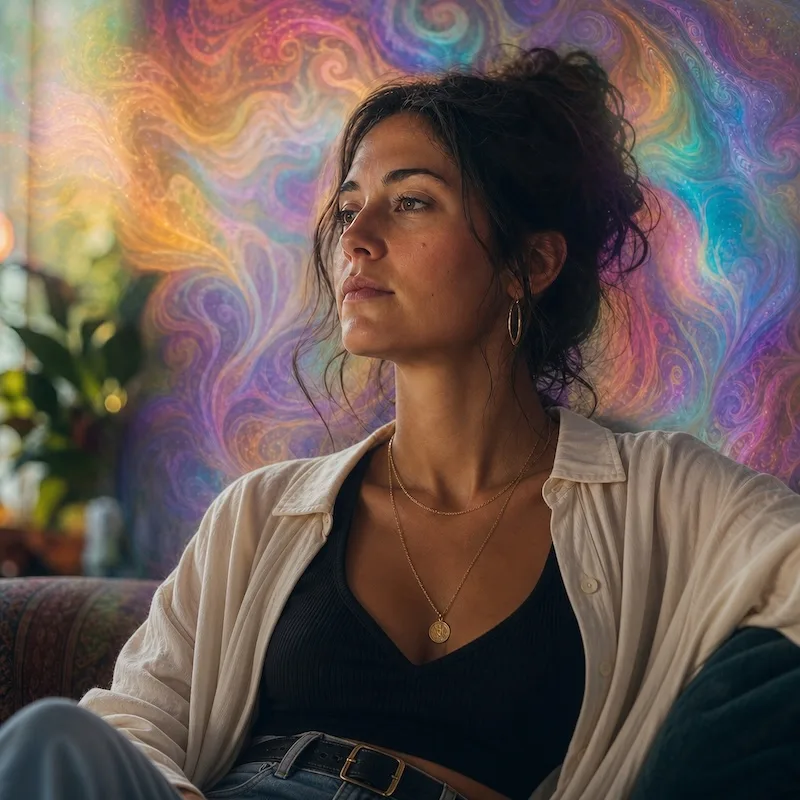
_-The-Breakthrough-Antipsychotic-That-Could-Change-Everything.webp?t=1729528747 "KarXT (Cobenfy)_ The Breakthrough Antipsychotic That Could Change Everything.jpg")
Psilocybin is going mainstream: Trump has signed an executive order opening psychedelics to patients with severe mental illness, and one in eight American adults has already tried it. But as we dig into the research, a more complicated picture emerges, one that separates the profound personal experience from the clinical evidence.
Publication Date: 06/15/2026
Duration: 18 minutes, 34 seconds
Transcript:
KELLIE NEWSOME: One in eight US adults has used psilocybin, and Trump just signed an order to give patients with severe psychiatric illness access to it. But as regulators are giving it a boost, the science is slipping.
CHRIS AIKEN: Welcome to the Carlat Psychiatry Podcast, keeping psychiatry honest since 2003. I’m Chris Aiken, the editor in chief of the Carlat Report.
KELLIE NEWSOME: And I’m Kellie Newsome, a psychiatric NP and a dedicated reader of every issue. On April 18, 2026, President Trump signed an executive order directing federal agencies to accelerate research on psychedelic drugs in psychiatry, prompting the FDA to fast-track the approval pathways for methylone and ibogaine in PTSD, noribogaine in alcohol use disorder, and psilocybin in depression. Buried in that order was a line that may change practice even without approval. Trump directed the DEA and FDA to allow patients with severe mental illness to try psychedelics if nothing else has worked. He did this by roping them into the “Right to Try” act, a law from 2018 that gives patients with terminal illness the right to try experimental drugs. Physicians are the gatekeepers of that right, which means that in the near future, we may be fielding requests for psychedelics – approved or not – and trying to figure out which patients are appropriate.
CHRIS AIKEN: The details of this “right to try” pathway have not been finalized, but they will likely require us to certify that the patient has severe, treatment-resistant illness and are not able to enroll in a clinical trial to get access to the psychedelic. We’d then write to the pharmaceutical company, like Compass Pathways, to get the drug. It’s going to be a steep learning curve, but even without this legislation, there is good reason to learn it. Psilocybin-assisted therapy is already legal in Oregon, and outside of the Beaver state, many are trying it on their own. The rates keep rising. In 2025, 8.5% of US adults had used psilocybin in their lifetime, and this year the rate is 12%.
KELLIE NEWSOME: In this podcast, we’re dropping the chapter on psychedelics from Dr. Aiken’s book, Difficult to Treat Depression, which is available by audio or in print. What? Maybe you’ve already listened to the audio, and you’re thinking, “There was no chapter on psychedelics!” You are correct, we accidentally left that out of the audio version. The chapter is now restored – if you redownload it from Audible – or just listen here to get the text. At the end of this read-through, we’ll update you on what’s new in psilocybin research in 2026. But first, the old CME quiz:
1. In 2026, psilocybin failed in the largest trial to date of which disorder?
A. Cocaine use disorder
B. Anorexia nervosa
C. Alcohol use disorder
D. Treatment-resistant depression
Chapter 34: Psychedelics
Chapter 34: Psychedelics
At the time of this writing, psychedelics await approval from the FDA, but many patients are not waiting. They find them through underground clinics, cannabis dispensaries, or abroad. In Oregon, they are legal, and psychedelic-assisted therapy occurs out in the open with minimal state regulation. Psychedelics are drugs that alter consciousness and perception, and they are divided into two types. Classic psychedelics activate the serotonin 2A receptor. They include psilocybin, dimethyltryptamine (DMT), and lysergic acid diethylamide (LSD). Atypical psychedelics achieve similar psychological effects through different mechanisms. They include the amphetamine derivative MDMA (3,4-methylenedioxymethamphetamine), and the glutamatergic ketamine. Whether this altered state of consciousness is necessary for their antidepressant effects is open to debate, as is the necessity of pairing them with psychotherapy. At least with ketamine, it seems that high levels are needed to achieve a psychedelic effect, and this is much more likely with intravenous ketamine than with intranasal esketamine (Spravato). My own bias is that the context in which they are taken matters, but I believe that is true for most psychotropics.
EVIDENCE IN DEPRESSION
EVIDENCE IN DEPRESSION
Of the half-dozen psychedelics under development, psilocybin is the closest to consideration in depression. Also known as "magic mushrooms," psilocybin has been used in religious ceremonies for at least 9,000 years. It was rediscovered by Western society in the 1950s, and for a few years was available as a prescription medication to speed the process of psychoanalytic therapy. Psilocybin's first modern trials involved patients with terminal cancer, where a single dose relieved anxiety about death in 70% of patients for up to six months (Dodd S et al, CNS Spectr. 2023;28(4):416-426). Studies in depression came next and have matured to the final phase III level. In depression, psilocybin has positive results from two randomized controlled trials that tested the drug in the context of supportive psychotherapy. The first compared psilocybin to escitalopram (Lexapro) 20 mg/day in 59 patients with longstanding major depressive disorder (mean duration 22 years). Psilocybin passed, but did not live up to its hype, with no statistical differences between the two groups (Carhart-Harris R et al, N Engl J Med 2021;384(15):1402-1411). The second trial tested psilocybin in a treatment-resistant population, after two to four antidepressant failures. This large trial compared two doses of psilocybin (25 mg vs 10 mg) to placebo. The results were positive, but not without disappointment. Psilocybin separated from placebo on the primary outcome measure at three weeks, but not at 12 weeks, and only the high dose (25 mg) was effective. This dose was also associated with a high rate of side effects, with 84% reporting headache, nausea, or dizziness (Goodwin GM et al, N Engl J Med 2022;387(18):1637-1648). One problem with psychedelic research is that the studies attract people who had a positive past experience on the drug, and steer away those with the opposite. This problem is compounded by the fact that blinding is difficult in these trials, as most patients are able to tell if they took a psychedelic (as are the researchers who observe them). One in three participants in the first depression trial had tried psilocybin in the past, and a reanalysis of this trial confirmed that expectations biased the results (Dutcher EG and Krystal AD, JAMA Psychiatry 2025;82(3):321-322).
WHEN TO CONSIDER PSYCHEDELICS
WHEN TO CONSIDER PSYCHEDELICS
We are ready to recommend psychedelics, but need to understand their potential to guide patients who seek them out on their own. Research suggests psilocybin may have potential benefits in:
- Treatment-resistant depression
- Existential anxiety about mortality in terminal illness
Psilocybin therapy is less appropriate for:
- Patients with bipolar or psychotic disorders or a family history of psychosis
- Those with serious cardiac conditions
- Patients taking serotonergic medications (due to risk of serotonin syndrome)
Psilocybin activates the serotonin 5-HT2A receptor, operating like a less potent version of LSD. It tends to induce a self-transcendent state along with perceptual hallucinations that range from the wondrous to the frightening. Psilocybin reduces depressive rumination and can bring about many unique psychological effects. After the treatment, people tend to be more open, spiritual, connected to nature, extraverted, altruistic, and less likely to endorse authoritarian political views. The psilocybin experience has a "noetic" quality, which means the person has a sense of profound truth that is difficult to put into words. Many subjects described it as the most meaningful experience of their lives. One reason to pair psychedelics with psychotherapy is to extend their benefits. Psychedelics have rapid effects, inducing a more flexible, connected, self-transcendent state. These changes are temporary, lasting from one to two weeks with ketamine to over six to twelve months with psilocybin. Repeated dosing can lead to tolerance and other problems, so something else is needed. Psychotherapy is well-suited to move patients from that newfound awareness to new ways of living, and that behavioral change can prevent depression.
HOW TO USE PSYCHEDELICS
HOW TO USE PSYCHEDELICS
In clinical trials, psilocybin is given in one or two dosing sessions, each lasting four to eight hours. One or two psychotherapists are present to provide support, buffering the potentially frightening visions that psilocybin conjures up. These dosing sessions are followed by traditional psychotherapy sessions where patients integrate the new perspective they gained from the drug. Most trials used a version of acceptance and commitment therapy (ACT), which encourages clients to create a more meaningful life through purpose-driven action and a more flexible mindset.
The standard protocol includes:
- Preparatory sessions (one to three visits)
- Dosing session (25 mg psilocybin, administered orally)
- Integration sessions (three to four visits over one to two months)
- If patients seek out psilocybin through nonmedical channels, advise them to:
- Start psychotherapy before dosing
- Take no more than two doses, and start with a low dose (eg, 10-15 mg)
- Have trusted support person present during the experience
- Take it in a safe, comfortable environment
- Avoiding taking it with serotonergic antidepressants or other recreational drugs
SIDE EFFECTS
Tolerability
The most common side effects are anxiety, headaches, nausea, confusion, vomiting, and increases in blood pressure and pulse. These side effects are usually transient and mild. In the clinical trials, there are no reports of serious side effects that required intervention (Johnson MW et al, Neuropharmacology 2018;142:143-166).
Risks
Risks
Psilocybin's lethal dose is approximately 1,000 times its therapeutic dose. Negative feelings are part of most psilocybin trips, but most people report that the good eventually outweighs the bad. In an online survey of 1,993 people who reported psychological difficulties after taking psilocybin, 39% said it was among the most challenging experiences of their life, but most of them (84%) felt they benefited from the challenge. Anxiety, depression, and paranoia were common and lasted more than a week for 1 in 4 respondents, and more than a year for 1 in 10, and 8% sought professional help for these effects. More concerning were the 11% who put themselves or others in physical danger after taking the drug (Carbonaro TM et al, J Psychopharmacol 2016;30(12):1268-1278). Hallucinations and illusions are common reactions to a psilocybin dose. None of these persisted in the clinical trials, but they can with recreational use. This is diagnosed in DSM-5 as hallucinogen persisting perception disorder and causes visual disturbances like dripping colors or flashbacks to earlier psychedelic trips at a rate of 4% in recreational users. Most psychedelics are linked to mania and psychosis, including new-onset schizophrenia. However, it is not clear if the drugs caused these syndromes or hastened their onset in vulnerable people. Psychedelics break down interpersonal boundaries. That raises the risk of boundary violations, a problem that has already transpired in the MDMA trials. The most egregious case began with cuddling during the dosing session and progressed to a sexual relationship, despite the use of video monitoring and dual therapists to prevent this kind of breach. The violation was one of the reasons that MDMA failed to gain FDA approval for post-traumatic stress disorder (PTSD).
KEY TAKEAWAYS
KEY TAKEAWAYS
- Psychedelics bring rapid psychological changes, making people more open, flexible, and ready to engage in psychotherapy.
- They can also cause hallucinations and a frightening sense of existential panic.
- While they are not ready for clinical use, patients are starting to experiment with them, and we can guide them to do so in a safer and more therapeutic way.
KELLIE NEWSOME: That book was published last December, but the research is moving fast, and recent papers have asked whether psilocybin is overrated or underrated. On the underrated side, consider this. Many patients had to stop their antidepressants to enter the psilocybin arm, so could antidepressant withdrawal have weakened their response? Yes, and no. It did so in one trial, but not in another three. On the other hand, stopping antidepressants before the trial could also depress the placebo response, inflating psilocybin’s efficacy. Indeed, when they took this phenomena into account in a network meta-analysis, psilocybin’s effect size fell from the large, ketamine range to the small 0.3 range we see with antidepressants. Beyond the dampening of the placebo, there’s another problem that inflates psilocybin’s benefits: unblinding and selection bias. Consider these facts: 1 in 8 US adults have tried psilocybin. Those who good experiences on it are likely to sign up for a psilocybin trial, and anyone who signs up for these trials is likely to know if they got the drug or the placebo – around 90% can tell. Between the self-selection bias and the unblinding, can we really tell if psychedelics work?
CHRIS AIKEN: On the other hand, you could argue that any treatment that is rapid and powerful is difficult to blind, but not so. SNT SAINT TMS brought 80% of people with highly refractory depression to remission within 5 days, but in that study, the blind was intact. People couldn’t tell if they got the real TMS or the sham machine.
KELLIE NEWSOME: So in 2026, Zach Williams and colleagues – shout out to Zach, he’s one of our listeners – compared outcomes from 8 psychedelic trials where the blind was largely broken, with similar antidepressant trials that were unblinded. That’s more of a fair comparison, as both treatments in this analysis were unblinded. The result: Psychedelics were no more powerful than antidepressants, which themselves have a small effect size. We saw the same thing in the head-to-head comparison between psilocybin and the SSRI escitalopram – both had equal effects. So if psilocybin is no more powerful than an SSRI, how is it going to help the refractory depressions that Trump is making it available for? Not very well, according to this 2026 trial. It is the largest and most robust trial in treatment-resistant depression yet, enrolling 148 patients, and it failed on its primary outcome: Response rates. There was a small signal on secondary outcomes, but even those effects quickly faded. The failure follows on other setbacks: both psilocybin and LSD failed to improve abstinence in alcohol use disorder, and failed to treat ADHD.
CHRIS AIKEN: Psilocybin has profound psychological effects. Many who took it in these trials say it was the most meaningful experience of their life. In my personal life, people tell me it has made them aware that there is no death; that they have an eternal soul; that, as Hamlet said, there are more things in heaven and earth than are dreamt of in our philosophy.
KELLIE NEWSOME: Yeah, Hamlet was onto something there, but he was still pretty depressed and suicidal.
CHRIS AIKEN: Just because something raises our consciousness doesn’t mean it will treat depression, or schizophrenia, or Parkinson’s disease, Epilepsy, or any other brain illness.
KELLIE NEWSOME: We love OpenEvidence. But did you know they don’t include the how-to guides that makes the Carlat Report so practical? That’s why we’ve launched Ask Carlat, an AI bot that digs through all the Carlat fact books and articles to quickly find the unbiased information you’re looking for. Get a free week trial through the link in the show notes.
KELLIE NEWSOME: So in 2026, Zach Williams and colleagues – shout out to Zach, he’s one of our listeners – compared outcomes from 8 psychedelic trials where the blind was largely broken, with similar antidepressant trials that were unblinded. That’s more of a fair comparison, as both treatments in this analysis were unblinded. The result: Psychedelics were no more powerful than antidepressants, which themselves have a small effect size. We saw the same thing in the head-to-head comparison between psilocybin and the SSRI escitalopram – both had equal effects. So if psilocybin is no more powerful than an SSRI, how is it going to help the refractory depressions that Trump is making it available for? Not very well, according to this 2026 trial. It is the largest and most robust trial in treatment-resistant depression yet, enrolling 148 patients, and it failed on its primary outcome: Response rates. There was a small signal on secondary outcomes, but even those effects quickly faded. The failure follows on other setbacks: both psilocybin and LSD failed to improve abstinence in alcohol use disorder, and failed to treat ADHD.
CHRIS AIKEN: Psilocybin has profound psychological effects. Many who took it in these trials say it was the most meaningful experience of their life. In my personal life, people tell me it has made them aware that there is no death; that they have an eternal soul; that, as Hamlet said, there are more things in heaven and earth than are dreamt of in our philosophy.
KELLIE NEWSOME: Yeah, Hamlet was onto something there, but he was still pretty depressed and suicidal.
CHRIS AIKEN: Just because something raises our consciousness doesn’t mean it will treat depression, or schizophrenia, or Parkinson’s disease, Epilepsy, or any other brain illness.
KELLIE NEWSOME: We love OpenEvidence. But did you know they don’t include the how-to guides that makes the Carlat Report so practical? That’s why we’ve launched Ask Carlat, an AI bot that digs through all the Carlat fact books and articles to quickly find the unbiased information you’re looking for. Get a free week trial through the link in the show notes.
The Carlat CME Institute is accredited by the ACCME to provide continuing medical education for physicians. Carlat CME Institute maintains responsibility for this program and its content. Carlat CME Institute designates this enduring material educational activity for a maximum of one quarter (.25) AMA PRA Category 1 CreditsTM. Physicians or psychologists should claim credit commensurate only with the extent of their participation in the activity.