RSS
RSS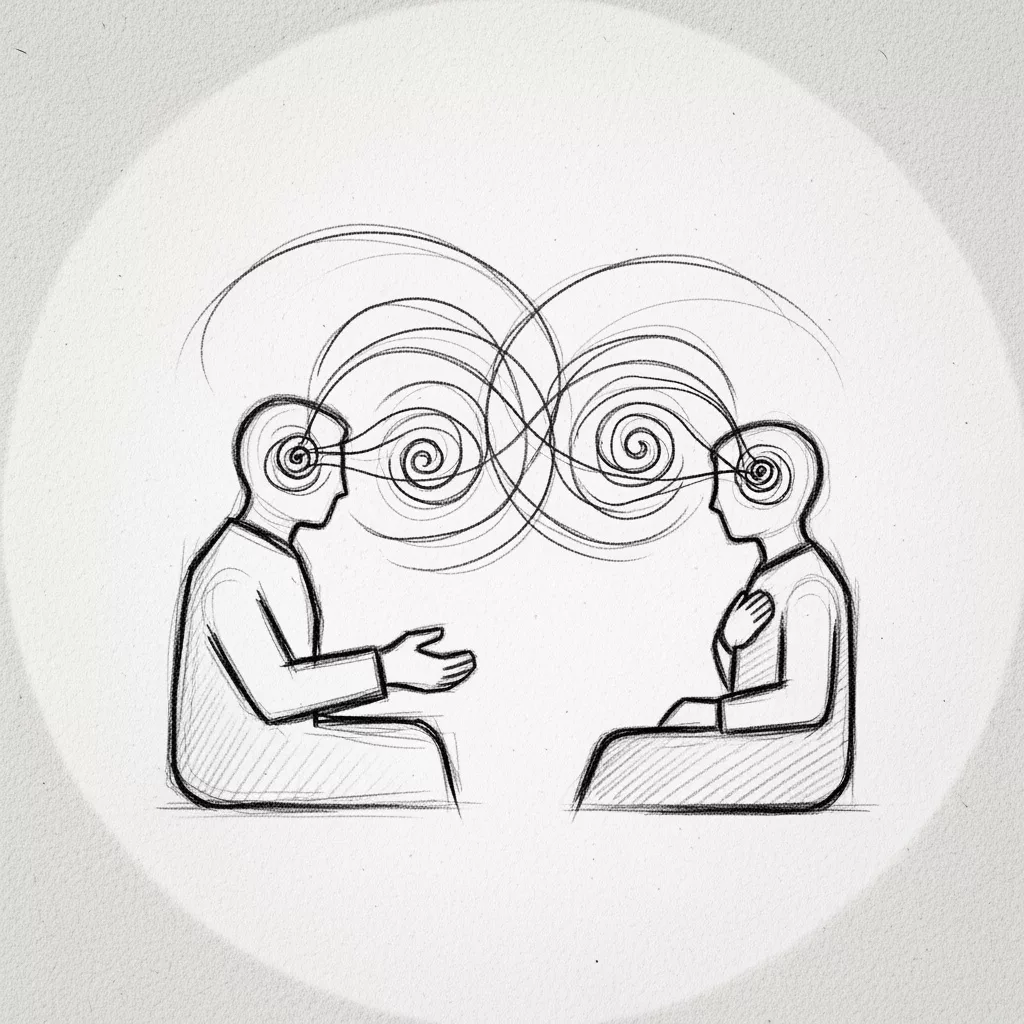

_-The-Breakthrough-Antipsychotic-That-Could-Change-Everything.webp?t=1729528747 "KarXT (Cobenfy)_ The Breakthrough Antipsychotic That Could Change Everything.jpg")
Learning Objectives
After the webinar, you should be able to:
- Describe how psychodynamic psychotherapy differs conceptually from symptom‑focused treatments (such as medications or cognitive behavioral therapy).
- Explain key foundational principles of psychodynamic psychotherapy (e.g., the dynamic unconscious, defense mechanisms, object relations, transference).
- Outline the typical process of psychodynamic psychotherapy, including therapeutic alliance, resistance, interpretation, working through, and termination.
- Recognize how psychodynamic psychotherapy has evolved (e.g., from classical psychoanalysis to ego‑psychology, object relations theory, self‑psychology) and the evidence base supporting it.
Transcript
Transcript edited for clarity.
Hello, I'm Dr. Steven Reidbord, a board-certified psychiatrist and psychiatric educator. I'm here to give you a 30-minute introduction to psychodynamic psychotherapy. In this brief overview of a complex topic, I'll contrast psychodynamic psychotherapy with symptom-focused alternatives, explain the central principles of psychodynamics, describe the therapeutic process, and outline how the field has evolved over the past century.
Cognitive behavioral therapy (CBT) has become a popular alternative to traditional psychodynamic therapy, so we’ll begin by contrasting them. Most psychotherapy patients present with depression and/or anxiety. In symptom-focused approaches such as medications or CBT, these symptoms are the primary focus of treatment. In contrast, psychodynamic psychotherapy seeks to understand the root causes of emotional distress. It views symptoms like depression and anxiety as surface phenomena, or entry points, that warrant further investigation. Much like treating a fever: while medications may alleviate it, further evaluation could reveal underlying causes such as an infection. Similarly, psychodynamic therapy addresses underlying emotional or psychological root causes.
The goal is to promote structural change—a shift in how the patient experiences themselves and others. This change in personality functioning helps reduce the likelihood that symptoms will recur in the future. Psychodynamic therapy can be used on its own or combined with symptom-focused approaches such as psychiatric medications or CBT.
Psychodynamic psychotherapy derives from Freudian psychoanalysis. Though the two share core principles, psychodynamic therapy is less intensive. It typically involves face-to-face sessions in chairs, rather than the classic analytic couch, and usually occurs once per week rather than multiple times per week.
Key principles include:
-
Symptoms in the context of personality: Symptoms do not arise in isolation but emerge from a person's personality structure, with its strengths and vulnerabilities. Understanding how symptoms manifest across life contexts helps uncover underlying emotional issues.
-
A developmental perspective: Psychodynamic theory emphasizes early childhood experiences. "The child is the father of the man”: adult functioning is rooted in childhood development.
-
The dynamic unconscious: Unlike the cognitive unconscious (e.g., skills that become automatic like riding a bike), the dynamic unconscious consists of unacceptable wishes, impulses, or feelings that are actively kept out of awareness but can give rise to symptoms.
-
Defense mechanisms: These are unconscious strategies to manage uncomfortable feelings or internal conflicts. Terms like denial and projection, commonly used in everyday language, originated from psychoanalytic theory.
-
Object relations: In this context, "objects" are people. Object relations refer to the mental representations we hold about ourselves and others. These mental models influence how we relate to people in real life. A person may carry simplistic or one-dimensional views of self or others that impair functioning.
-
Transference and countertransference: Transference involves the patient projecting expectations or feelings from past relationships onto the therapist. Countertransference refers to the therapist's emotional reactions to the patient, which can offer useful insights if properly understood.
Therapeutic Process
Engaging in psychodynamic therapy can be anxiety-provoking, as it requires facing uncomfortable truths about oneself. Therefore, establishing a strong therapeutic alliance—a supportive, trusting relationship between therapist and patient—is essential.
Therapists must balance emotional support with "uncovering" work. Some patients tolerate direct exploration of their inner conflicts well, while others require more emotional support. This balance may change even within a single session. The therapist must continuously assess how much support versus challenge is appropriate.
Psychodynamic psychotherapy is non-directive. Think of the patient and therapist as being in a car together: the patient drives, while the therapist points out interesting scenery, i.e., themes or topics that may be worth exploring. The therapist does not direct the route but encourages curiosity about the choices made. Because discussing avoided material provokes anxiety, patients often display resistance—defensive behaviors that block exploration. Resistance is expected and not something the therapist confronts aggressively. Instead, it is gently explored and understood.
Occasionally, therapy may reach an impasse, where progress stalls. This, too, is approached collaboratively, exploring the reasons behind the halt in progress. Insight—not just intellectual but emotional awareness—has historically been viewed as the healing mechanism in therapy. However, we now understand that the therapeutic relationship itself is also healing.
Empathy plays a vital role. It is not simply feeling bad for someone; it means understanding their internal struggle. Patients may feel torn between conflicting desires or values. Recognizing and validating this internal conflict is at the heart of therapeutic empathy.
Therapeutic Frame
The therapeutic frame refers to the consistent boundaries and structure of treatment. This includes meeting at a regular time and place, maintaining professional roles, and avoiding dual relationships. Freud described three principles for maintaining the frame:
-
Neutrality: The therapist does not take sides in the patient's internal conflicts.
-
Anonymity: The therapist shares little about themselves to foster transference and keep the focus on the patient.
-
Abstinence: The therapist refrains from gratifying the patient's wishes (e.g., for parental care or romantic involvement) to allow exploration of unmet needs.
These are considered flexible guidelines rather than rigid rules. Therapists may share minimal personal information when clinically appropriate but should avoid shifting the focus away from the patient.
Clinical Techniques
Listening itself can be healing. Simply feeling heard and understood has therapeutic value. Techniques range from facilitating speech (e.g., "Go on"), to clarifying (paraphrasing or summarizing the patient’s words), to making observations (noticing patterns or inconsistencies). Confrontation may involve highlighting contradictions. Interpretation connects current behaviors or emotions to unconscious roots, offering new insight. Interpretations are presented tentatively and only when enough context is available.
Therapists listen for recurring patterns across relationships, time periods, and emotional themes. Love and work are often central domains. Dreams and daydreams can provide symbolic insights, as can fantasies about the future or imagined alternate life events. Psychodynamic therapy explores these imaginings as meaningful psychological material.
Working Through and Termination
Psychodynamic therapy is iterative. Issues are revisited from different angles over time in a process called "working through." Termination is a phase in itself and involves discussing the end of therapy in advance. This allows the patient to explore their reactions to loss and reflect on therapeutic gains.
Evolution of the Field
Psychodynamic psychotherapy has evolved from classical Freudian theory to include various models:
-
Ego psychology focuses on unconscious content and defense mechanisms, while also assessing ego strengths and vulnerabilities.
-
Object relations theory emphasizes internal representations of self and others.
-
Self psychology centers on self-esteem, self-cohesion, and the development of a stable sense of self.
Modern psychodynamic therapy also incorporates some supportive and cognitive elements but retains its focus on emotional insight and the therapeutic relationship. The field is backed by a strong evidence base, including decades of randomized controlled trials and meta-analyses supporting its effectiveness for both symptom relief and long-term personality change.
In summary, psychodynamic psychotherapy is a structured yet flexible approach that fosters emotional insight and transformation through a meaningful therapeutic relationship. Thank you for your attention.
References:
Cabaniss, D. L., Cherry, S., Douglas, C. J., & Schwartz, A. (2011). Psychodynamic psychotherapy: A clinical manual. Wiley-Blackwell.
Gabbard GO. Long-term Psychodynamic Psychotherapy: A Basic Text (Core Competencies in Psychotherapy), 3rd edition. American Psychiatric Association Publishing. 2017.
McWilliams N. Psychoanalytic Psychotherapy: A Practitioner's Guide. Guilford. 2004.
You must be logged in to your individual account to take the post-test. You will have two attempts to pass and must answer at least 75% of the questions correctly to earn credit. The Carlat CME Institute is accredited by the Accreditation Council for Continuing Medical Education (ACCME) to provide continuing medical education for physicians and maintains responsibility for this program and its content. This enduring material is designated for a maximum of (0.5) AMA PRA Category 1 Credit™. Physicians and psychologists should claim credit commensurate with their participation.
This activity is available for CME credit for a defined period based on the date of publication, in accordance with accreditation requirements. The post-test must be completed before the expiration date; after that time, CME credit will no longer be available.