RSS
RSS

Your patient mentions dry mouth.
You nod, make a note, move on.
It's easy to treat xerostomia as a nuisance — low on the priority list when you're managing psychosis or depression. But left unaddressed, it quietly does real damage.
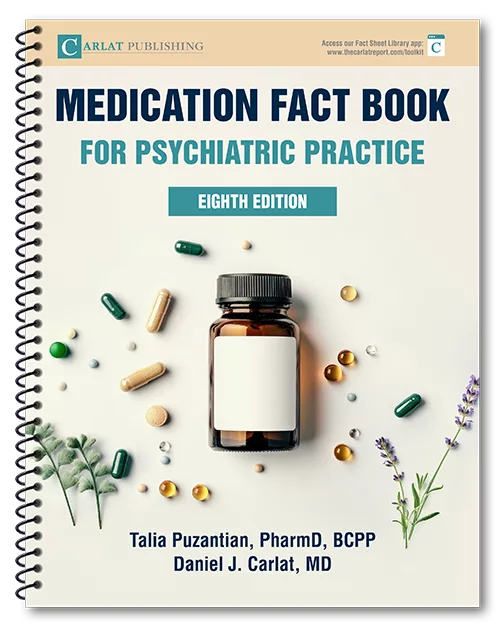
Continuing my side effect series from the Carlat Medication Fact Book (8th edition).
We've covered tremor and QT prolongation. This time: xerostomia — the side effect we undertreat because we underestimate it.
Dry mouth isn't just uncomfortable. Saliva has an antibacterial effect, so chronic xerostomia leads to dental caries, gum inflammation, and altered taste. Patients on long-term psychotropics can end up with serious dental damage — and they rarely connect it to their medication.
The culprits: antipsychotics, antidepressants (including SSRIs), lithium, stimulants, and the anticholinergics we use to treat other side effects (benztropine, diphenhydramine, trihexyphenidyl). It's anticholinergic effects all the way down.
Beyond "drink more water," here's what actually helps:
▸ Xylitol-containing sugarless gum — stimulates saliva and reduces dental caries. Two birds, one gum.
▸ Biotene products (OTC) — gum, toothpaste, oral rinse, moisturizing spray, and an oral gel. No single product is proven superior, so let patients experiment.
▸ Other saliva substitutes — Oralube, Oasis mouth spray. Again, patient preference wins.If those aren't cutting it, there are prescription options most clinicians forget exist:
▸ Pilocarpine (Salagen) 5–10 mg two or three times daily. Start with a 2.5 mg test dose. Side effects include sweating, congestion, and diarrhea — but some patients vastly prefer a pill over constantly spraying their mouth.
▸ Cevimeline (Evoxac) 30 mg up to three times daily.
Two things worth mentioning to patients:
Caffeine worsens dry mouth. So does smoking. Both are modifiable and rarely discussed in this context.
And don't forget to recommend more frequent dental cleanings. That's the part that actually prevents long-term damage.
Do you routinely counsel patients about the dental risks of medication-induced dry mouth — or does it usually come up after the damage is done?
Share this with a colleague who prescribes antipsychotics or TCAs long-term.
Follow Daniel Carlat for more evidence-based psychiatry updates.