_-The-Breakthrough-Antipsychotic-That-Could-Change-Everything.webp?t=1729528747 "KarXT (Cobenfy)_ The Breakthrough Antipsychotic That Could Change Everything.jpg")
Expert Q&A
Managing School Refusal

Getting your Trinity Audio player ready...
CCPR: How common is school refusal?
Dr. Marwaha: Between 2% and 5% of school-age children demonstrate school refusal. However, in child psychiatry community settings, one-fourth of patients may have co-occurring school refusal. In some literature, school refusal is considered a public health concern. The COVID-19 pandemic has exacerbated this issue, so current numbers are higher than the baseline. When remote learning started during the pandemic, it blurred the boundaries between home and school and led to an increase in symptoms of school refusal, whether due to generalized anxiety, separation anxiety, or avoidance (Matsubara D et al, Children 2025;12(9):1105).
“I don’t write excuse notes for school refusal, and parents shouldn’t give in to these accommodations because they won’t help in the long run. Discuss with parents the importance of setting clear limits.”
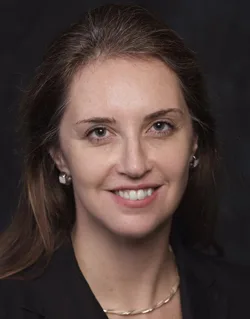
Raman Marwaha, MD
CCPR: How do you differentiate between truancy and school refusal?
Dr. Marwaha: While school refusal is different from truancy, the two can sometimes overlap. The main cause of school refusal is emotional distress, whereas truancy is intentional disobedience—it’s a choice. Kids are truant because they don’t want to go to school. They prefer to do other activities at that time, often outside the home with other truant kids. When a child doesn’t attend school, the school often assumes they are truant. Even parents find it hard to recognize the underlying distress, the reasons for school refusal.
CCPR: Can you tell us what some of those underlying reasons might be?
Dr. Marwaha: Kearney and Silverman identify four reasons for school refusal (Kearney CA et al, J Clin Child Psychol 1993; 22(1):85–96):
Avoidance of the general school environment, which can include academic stress—particularly in children with learning disorders—or an atmosphere of bullying. This follows the principles of operant conditioning: When students don’t receive rewards (such as good grades) or experience negative consequences (like failing tests or being bullied), they naturally try to avoid those situations.
Escape from a situation, such as a specific social situation or a specific performance evaluation.
Attention-seeking—usually from a parent. This can overlap with separation anxiety or with worry about something happening to the parent. We especially see this as a symptom with trauma, including natural disasters, and with the current focus on deportations in the US.
Reward—when the child is rewarded for being out of school, for instance, getting to play video games at home.
Whatever the reason, the more you avoid school, the bigger the problem becomes.
CCPR: Can you organize these and other reasons for school refusal in a biopsychosocial model?
Dr. Marwaha: Sure. There are different types of biological factors. Learning disorders can also have an impact on school attendance. Other conditions, such as gastrointestinal conditions (eg, irritable bowel syndrome), sensory sensitivities, asthma, and diabetes, are associated with school refusal. Psychological factors include aversive stimuli at school, including poor relationships with teachers or peers, or tangible rewards available at home. Many psychiatric disorders commonly co-occur with school refusal, particularly separation anxiety disorder, social anxiety disorder, generalized anxiety disorder, and depressive disorders (Di Vincenzo C et al, Ital J Pediatr 2024;50(1):107). Approximately 75% of children with school refusal have anxiety, and 20% have depression. Children with other conditions, such as autism, may struggle with transitions, experience sensory sensitivities, or find social demands at school challenging. Social or environmental factors could include bullying at school, inadequate accommodations for learning disorders, high parental anxiety, or a family culture where staying home is acceptable or encouraged. For example, a parent might think: “My child is having problems at school, so I’ll just keep him home for a few days or a week, and then he can go back” (Editor’s note: See also our podcast on helping to address the fear of school shootings: www.tinyurl.com/2hjsnnpp).
CCPR: How does the strategy of keeping a child home unfold?
Dr. Marwaha: This typically leads to a cycle where the longer a child stays out of school, the more challenging it becomes to get them back. Peer behavior is also a factor to consider, as children may think, “My friends aren’t going to school, and they’re doing fine.”
CCPR: How do you assess the problem of school refusal in children?
Dr. Marwaha: Get a comprehensive picture of the circumstances and relationships at home and school. Talk with parents, spend time with the child alone to hear their concerns, and contact teachers to hear how the child is functioning socially and academically at school. Look for patterns—for example, does the child stay home when one parent travels? Ask about impacts from the COVID-19 pandemic. Examine the timing of absences and assess academic and social functioning at school, including potential bullying and cyberbullying. Identify any rewards the child may receive for staying home from school. Screen for anxiety disorders, depression, neurodevelopmental disorders, and learning disorders. These children often experience somatic symptoms like those seen in anxiety disorders, including stomach fluttering, abdominal pain, headaches, dizziness, vomiting, nausea, and other physical complaints.
CCPR: What if the child does not want to be interviewed alone?
Dr. Marwaha: It’s OK for the parent to be there initially for assessment. Then, slowly, when therapeutic interventions are in place, the child can be separated. Make sure to address parental anxiety. That and setting expectations will help get the child back to school. There’s no overnight fix. It’s a gradual process figuring out what’s leading to school refusal and then what steps to work on with the family. The gold standard is utilizing cognitive behavioral therapy (CBT) interventions.
CCPR: Tell us about CBT for school refusal.
Dr. Marwaha: I begin with psychoeducation about what school refusal is and explain that treatment takes time. I then discuss how the patient and family will learn tools to manage anxiety, including relaxation techniques, cognitive restructuring to address negative thoughts, and graded exposure to school. School involvement is also essential, particularly when addressing learning difficulties and bullying.
CCPR: What does graded exposure look like?
Dr. Marwaha: It’s different for every student, but you might plan for the student to go to school next week for 15 minutes a day, then the next week try an hour a day. For a young child, maybe the first time the parent is there with them at school, then the second time the parent steps out but stays in the parking lot and available if something happens. Then after that, the parent is not available. Then there might be a half-day progression, then a full day. For teens, you would not want a parent in class, but they might start out at the office, available at first then less available over time. You need to fully partner with the school on planning, especially graded exposure—perhaps have a safe space at school to go to, such as a school counselor’s office.
CCPR: How does the work with the parents on school refusal differ from the work with the child?
Dr. Marwaha: When working with the child, focus on relaxation techniques, anxiety management, changing negative thought patterns, designing graded exposure plans, and potentially social skills training. With parents, address not only graded exposure but also parental behaviors and rewards (such as electronics access) that may contribute to school refusal, while establishing tangible rewards for school attendance. Help parents reduce the reinforcement of avoidance behaviors. I tell parents: “Your goal is to support your child, not to accommodate the avoidance.” For instance, I don’t write excuse notes for school refusal, and parents shouldn’t give in to these accommodations because they won’t help in the long run. Discuss with parents the importance of setting clear limits.
CCPR: What if outpatient care is not working?
Dr. Marwaha: If things are not going well, or the parental distress is too high, intensive outpatient or partial hospitalization might help. These settings can be great places to practice when the child or teen is having trouble being out of the house since these are therapeutic environments. They help you address co-occurring conditions and family dynamics and to watch the impact of medication trials while planning for a graded exposure return to school, perhaps using an intensive outpatient program when the child is returning to school.
CCPR: How can medications help students with school refusal?
Dr. Marwaha: Medication is not the first-line treatment for school refusal. We do need to treat comorbidities if the distress is so high that the child is unable to engage in therapy, or when we’ve tried nonpharmacologic care and things are not progressing well. But any medications should be short term. The goal should be to help the student use techniques or tools, rather than medications. As with anxiety disorders, you can begin with sertraline or fluoxetine (Patel D et al, Transl Pediatr 2017;7(1):23–35). Start at a low dose and then go up slowly. Guanfacine might be a good choice if there is co-occurring ADHD (Sasaki Y et al, PLoS One 2021;16(6):e0252420). My experience with hydroxyzine is mixed. Benzodiazepines have a risk of dependency and sedation, and they can interfere with therapy. I might consider them for severe acute anxiety as a brief bridge while other treatment begins.
CCPR: Do you have any specific phrases that help parents or kids with school refusal?
Dr. Marwaha: Acknowledge the distress: “It sounds like something about school is making you worried. Let’s figure out together how to make it easier.” I tell parents and kids: “My role is to help you, together, to figure this out and give you the right kind of tools and guidance to do that.” The child has an important role in the planning.
CCPR: How do you talk with students about the nature of anxiety?
Dr. Marwaha: I tell them: “Many children feel nervous,” since feeling nervous or anxious is a main reason for school refusal. “Feeling nervous or worried is part of our normal protective mechanism in the brain. That’s how human beings have survived for so long. If we go out into the jungle and there’s a dangerous animal, we’re going to run. That’s our protective mechanism. But sometimes our brain gets triggered by things that don’t require that reaction. So our goal is to help retrain your brain.” We also discuss with parents how to support retraining the child’s brain. With younger children, I like using drawings—when we’re talking about school anxiety or refusal, we might draw a dinosaur or dragon that we must face together. I end all my sessions by telling parents: “You’re doing your best. The plan is to help and support your child in returning to school early, even if it’s just for a short time.”
CCPR: Any final thoughts?
Dr. Marwaha: School refusal is a common and challenging situation that impairs both the child and the family. It is rooted in distress and causes ongoing distress. Identifying it early is crucial, and effective treatments are available. Treatment requires a multidimensional approach involving the child, family, and school collaboration. Therapeutic techniques are helpful, and in certain cases, medications can also provide support. Treatment helps the child and family prevent school refusal from escalating and creating more significant problems down the road.
CCPR: Thank you for your time, Dr. Marwaha.



Recommended