_-The-Breakthrough-Antipsychotic-That-Could-Change-Everything.webp?t=1729528747 "KarXT (Cobenfy)_ The Breakthrough Antipsychotic That Could Change Everything.jpg")
Expert Q&A
The Role of Physician Health Programs in Addiction and Mental Health Care
Getting your Trinity Audio player ready...
CATR: Can you start by introducing yourself?
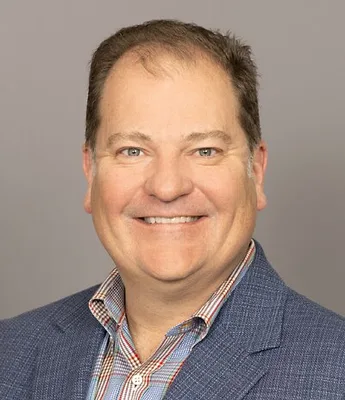
Dr. Humphreys: I’m a psychiatrist and the medical director of the Colorado Physician Health Program. I’m also involved with the Federation of State Physician Health Programs (FSPHP), which is our national organization. I trained as a forensic psychiatrist, a background that lends itself well to this work because we evaluate physicians as objectively as possible. And once I started, I immediately connected with the work. It’s an honor to care for colleagues and help them get the support they need.
CATR: Many clinicians are not very familiar with physician health programs (PHPs). Can you explain what a PHP is and what its goals are?
Dr. Humphreys: Every state’s PHP is structured a little differently. Funding, governance, and relationships with medical boards can vary quite a bit. I’ll try to speak broadly, with the caveat that there is quite a spectrum nationally. In general, the role of a PHP is to support physicians in maintaining their health and well-being. If there are health-related or behavioral concerns that may affect a physician’s ability to practice safely, the PHP helps ensure those issues are properly evaluated and treated so that the physician can return to or continue safe practice.
CATR: What types of professionals do you work with?
Dr. Humphreys: We work with anyone under the jurisdiction of the medical board. That includes licensed physicians, physician assistants, and anesthesia assistants. We also have relationships with medical schools and independent training programs. In terms of specialties, it’s a broad representative mix.
CATR: How do physicians typically come to your attention?
Dr. Humphreys: Many states have what’s called a “safe haven” model. This allows physicians to seek care through the PHP without having to report to the medical board or disclose it on licensing applications. This model incentivizes care, so in states with this model, self-referral is typically the most common way physicians come to us (Editor’s note: More information on states with safe haven models can be found here: www.tinyurl.com/bdekzzxy). We do a lot of outreach, including talks and newsletters, to make physicians aware that we are a resource. Depending on how you define voluntary referral, about two-thirds to 80% of our participants come voluntarily (Braquehais MD et al, BMJ Open 2014;4:e005248). About 20% are referred by the medical board. Others may be referred by employers or training programs. Some of those cases are not formally voluntary, but they are also not yet known to the medical board.
CATR: Do outcomes tend to differ for self-referred versus mandated patients?
Dr. Humphreys: Actually, no. Perhaps surprisingly, the outcomes are largely the same whether a patient seeks confidential treatment on their own versus mandated treatment.
CATR: How often are you treating psychiatric issues and substance use disorders (SUDs)?
Dr. Humphreys: Mental health concerns, including SUDs, are a big part of what we do. Burnout, depression, and anxiety are the most common reasons for referral. Burnout is particularly widespread, and many physicians are looking for support. As you might expect, SUDs are overrepresented when physicians are referred by their medical board, though disruptive behavior is more common among our mandated referrals. Overall, SUDs account for about 20% of all our referrals. Of those, about half are for SUD screenings after a DUI. In fact, many states automatically refer any physician with a DUI. In terms of which SUDs we see, most people think about doctors and opioid use disorder, but we see that much less than you might expect. The rates generally mirror that of the general population, meaning alcohol is by far the most common SUD we treat (Wilson J et al, JAMA Netw Open 2022;5(12):e2244679).
CATR: And what is that DUI referral for? Diagnostic evaluation? Treatment?
Dr. Humphreys: The DUI referrals are generally for screening, to see whether the physician meets criteria for an SUD requiring further treatment. As you know, legal issues were removed from the SUD criteria in the DSM-5. This is because whether someone had legal issues stemming from substance use was actually a poor predictor of other functional impairments (Hasin DS et al, Am J Psychiatry 2013;170(8):834–851). And that is in line with what we see; the yield for identifying SUD after a single DUI is relatively low, around 10%–20% (Lapham SC et al, Arch Gen Psychiatry 2011;68(11):1151–1157). Most individuals referred do not meet criteria or necessarily require treatment.
CATR: For those who do have SUDs, what kind of monitoring and treatment do they receive?
Dr. Humphreys: Each referred physician first undergoes a comprehensive evaluation, in our case by a psychiatrist and a master’s-level clinician. The next steps depend on how flexible your state’s PHP is. Some have strict standardized monitoring, but if your state allows it, I think an individualized approach is preferable. Monitoring can include regular toxicology testing, which has evolved significantly. In the past, we relied primarily on urine and nail testing. Now we have testing methods that can detect substance use over longer time frames. There are also remote testing technologies, such as devices that connect to a smartphone and measure breath alcohol levels. We can also use genetic matching for mailed specimens, which is particularly helpful for physicians in remote areas. Testing panels can detect a wide range of substances and can confirm adherence to prescribed medications.
CATR: Do physicians receive treatment directly through the PHP, or do they work with outside providers?
Dr. Humphreys: Most PHPs, including ours, do not provide treatment directly. Our role is to evaluate, make recommendations, and monitor. We refer physicians to treatment providers in the community. We often work with clinicians who have experience treating physicians, which can be important. Providers who are unfamiliar with physician culture may focus on the wrong issues. For example, a pediatric oncologist may have developed strong professional boundaries around patient loss, but may be struggling with something entirely different, such as challenges in a personal relationship. A provider without experience working with physicians might redirect the conversation back to patient loss, assuming that is the central issue, when it may not be. Matching physicians with experienced clinicians helps ensure that treatment is targeted and individualized.
“If you are concerned about a colleague, sometimes the best first step is a simple conversation. Sitting down for coffee and asking how they are doing can open the door.”
Scott Humphreys, MD
CATR: What is the PHP’s role in communication and reporting to medical boards?
Dr. Humphreys: In the case of a safe haven model, most physicians are self-referrals who are not known to the medical board. In these cases, we do not report to the board at all or to any other external entity. If, on the other hand, a physician is referred by the medical board, we are obligated to report back to them, typically with a formal evaluation in a forensic style report. And although we are in frequent communication with providers, we try our best not to intrude too much on the therapeutic relationship or impose additional documentation requirements. We feel it is best when treatment proceeds as uninterrupted as possible.
CATR: Some of our readers may be treating physicians who are involved with a PHP. What should they know?
Dr. Humphreys: The most important thing to keep in mind is that we share the same goal, which is to help the physician recover and practice safely. Communication between us (as the monitoring organization) and you (as the treater) is critical. We understand that clinicians are busy, so we try to be flexible, but we do rely on feedback about whether the physician is receiving the appropriate level of care and benefiting from treatment. Specifically, we are interested in the physician’s attendance in treatment and other recovery work. For those with SUD, we may ask about Alcoholics Anonymous attendance or their step work. And of course, we monitor drug testing to ensure abstinence.
CATR: How do you approach the tension between confidentiality and patient safety?
Dr. Humphreys: That is one of the most challenging aspects of this work. Fortunately, most cases do not involve conflict. As a group, physicians seek help early, engage in treatment, and improve. In situations where there is disagreement about ability to practice or treatment needs, there is a structured escalation process. We begin with internal review and sometimes will consult a liaison committee that includes representation from the medical board. If a physician does not follow recommendations and there is concern about safety, we may need to report to the medical board. But this is rare—in the Colorado PHP, we’re talking about once or twice a year. Interestingly, this is less often the case with SUDs, and more often with doctors who are developing cognitive impairment due to aging. Speaking personally, in my 17 years working with approximately 7,000 physicians in our PHP, we’ve had to break confidentiality for SUD cases only 3 or 4 times.
CATR: Are physicians ever forced to stop practicing?
Dr. Humphreys: Yes, when necessary. Sometimes, this is temporary and intended to allow time for treatment and recovery. Physicians will sign a non-practice agreement, and in my experience, they are generally receptive. Physicians care deeply about their patients. When concerns about their ability to provide safe care are raised, they take that seriously.
CATR: How do you support physicians returning to practice?
Dr. Humphreys: We typically coordinate a gradual return to work. Physicians who have taken time off are rarely ready to return at full capacity immediately. We often phase them back in, and within about a month many are back to full-time work. Physicians with SUDs will usually have ongoing monitoring for substance use for a time. For physicians with mental health conditions, workplace observations can be very helpful. For example, if someone is recovering from a severe depressive episode, we want to know whether they are re-engaging with colleagues and whether their energy and functioning have improved. We usually identify a single contact at the workplace to maintain confidentiality. That person provides feedback on how the physician is functioning, whether they appear back to baseline, and whether there are any ongoing concerns. But ultimately, most are able to return to work (Weenink JW et al, BMJ Qual Saf 2017;26(12):1004–1014).
CATR: What should our readers know about this variability by state?
Dr. Humphreys: We’ve already discussed safe haven, which has a major impact. For example, in Colorado, only about 20% of our participants are known to the medical board. In states without confidentiality protections, that number will be much higher (www.tinyurl.com/ysjdtjyp). And you should keep in mind that policies around confidentiality can shift over time and are often influenced by political factors. There is sometimes concern that safe haven provisions conceal impaired physicians. But in my opinion, confidentiality is essential to getting physicians into care before problems escalate. Important sources of information include the websites for the Federation of State Medical Boards (www.fsmb.org) and the FSPHP (www.fsphp.org). Funding is another major difference. Many states fund their PHP through medical license fees, which provides stability, whereas other funding mechanisms can cause inconsistencies over time. But there is also ongoing work to improve consistency across states. Our national federation has developed a program to evaluate PHPs and provide guidance to align practice along emerging national standards.
CATR: What advice would you give to clinicians who are concerned about their own well-being or that of a colleague? What should we look out for?
Dr. Humphreys: One of the earliest signs is a change in behavior. That might include withdrawing from colleagues, losing interest in work, general irritability, or stepping back from professional responsibilities. For SUDs, the signs are largely the same, though of course with the added warning sign of intoxication in the workplace. If you notice those changes in yourself or someone else, it is worth paying attention. If you are concerned about a colleague, sometimes the best first step is a simple conversation. Sitting down for coffee and asking how they are doing can open the door. It is also important to remember that you do not have to manage this alone. PHPs are there to support physicians and guide next steps.
CATR: Can PHPs be contacted anonymously if there are concerns about a particular physician?
Dr. Humphreys: Yes. Anyone can call anonymously to learn about the process, including confidentiality protections. Many people start that way before deciding whether to proceed with a referral, whether it is a self-referral or for a colleague.
CATR: Is there anything else you want our readers to know?
Dr. Humphreys: For those in leadership roles, such as department chairs or program directors, it can be helpful to make referrals mandatory when there are significant concerns. This is often done as part of a performance improvement plan. In those cases, the physician is required to engage with the PHP and sign a release so that communication can occur. Without that structure, it can be difficult for the referring party to receive information, especially if the physician is reluctant to authorize communication. Overall, PHPs are not widely understood, but they are an important resource. Ultimately, our goal is to support physicians in getting the help they need while protecting both their well-being and patient safety.
CATR: Thank you for your time, Dr. Humphreys.


Recommended