_-The-Breakthrough-Antipsychotic-That-Could-Change-Everything.webp?t=1729528747 "KarXT (Cobenfy)_ The Breakthrough Antipsychotic That Could Change Everything.jpg")
Expert Q&A
Prescription Drug Misuse and Diversion in Correctional Settings
Getting your Trinity Audio player ready...
CATR: How do misuse and diversion differ in correctional settings, and what unique challenges do they present?
Dr. Holoyda: The terms are similar to how we use them in outpatient psychiatry, but the context changes everything. Misuse refers to behaviors like hoarding, snorting or injecting a crushed pill, or combining meds into improvised cocktails. Diversion means using prescribed medication as currency—trading, selling, or exchanging it for commissary items or favors. Both influence how we prescribe, store, and administer medications. Correctional environments create unique incentives for diversion, so clinical decisions must always balance patient care and institutional safety.
CATR: Which medications are most frequently misused or diverted?
Dr. Holoyda: It can vary between settings, but patterns largely mirror what’s misused in the community. One key difference is that availability can shape what becomes popular. Benzodiazepines, psychostimulants, and opioids are the most sought after, yet many jails now restrict or remove them from formularies. In a New Jersey Department of Corrections study from 2003 to 2013, the most misused medications were gabapentin, diphenhydramine, clonidine, and even ibuprofen (Tamburello T et al, J Correct Health Care 2017;23(4):449–458). People who misused medications were more likely to have substance use disorders, antisocial traits, or malingering, and were prescribed more medications overall.
CATR: Why do these particular medications become targets?
Dr. Holoyda: People tend to seek agents that alter consciousness—whether it’s sedation, stimulant-like effects, or mild euphoria. Sedatives, stimulants, and drugs with anticholinergic properties like diphenhydramine or benztropine are some favorites. But trends can be unpredictable. A medication with no recreational reputation outside of jails and prisons may gain popularity inside simply because it’s available or rumored to cause a buzz. Patterns often emerge from word of mouth and trial and error among inmates.
CATR: Like the ibuprofen you mentioned.
Dr. Holoyda: Yes, exactly. It’s a good reminder that misuse in jails can be idiosyncratic. I can’t explain the ibuprofen phenomenon from that study, but it shows how quickly a medication can acquire perceived value in a closed system. Sometimes it’s due to availability, sometimes to experimentation, and sometimes simply to misinformation that spreads within a unit.
CATR: Beyond benzodiazepines, stimulants, and opioids, which other classes should clinicians monitor closely?
Dr. Holoyda: Bupropion stands out among antidepressants—it can be insufflated or injected for a stimulant-like high. Lower doses may cause a mild buzz, while higher doses can lead to paranoia and psychosis. Tricyclics and mirtazapine are sought for sedation. Quetiapine is the most misused antipsychotic, primarily for its sedating properties but also because it can ease withdrawal discomfort. Antihistamines like diphenhydramine and doxylamine, and anticholinergics such as benztropine and trihexyphenidyl, are also common targets. Gabapentin is ubiquitous. It’s even used as a topical anesthetic before snorting bupropion to blunt the burn.
CATR: How are people actually misusing these medications?
Dr. Holoyda: In every way imaginable—crushing and snorting, smoking, and injecting. I mentioned hoarding doses earlier; this is often done so patients can take a single large dose, often referred to as a “stack.” People sometimes mix medications into liquid combinations known as “jailhouse juice,” which can contain anything from gabapentin to diphenhydramine. These concoctions are highly unpredictable and can be very dangerous.
CATR: What harms have you observed from medication misuse in custody?
Dr. Holoyda: The consequences vary by substance. Insufflated bupropion can trigger seizures (Lewis JC et al, Clin Toxicol (Phila) 2014;52(9):969–972). Heavy misuse of antipsychotics like quetiapine brings risks of QT prolongation, neuroleptic malignant syndrome, and respiratory depression. And we can’t forget illicit substances. Methamphetamine-induced psychosis and fentanyl overdoses do occur in custody. Because tolerance drops rapidly with abstinence, even small amounts of contraband—particularly opioids—can be lethal.
CATR: Clinically, what should alert us to possible misuse or diversion?
Dr. Holoyda: There are several red flags that I look out for. The most classic is an insistent single-medication request, especially for one of the more common target medications, eg, “Only bupropion works for me” or “I need quetiapine.” Collateral from community providers can clarify whether those claims are genuine. Suspicious behavior right after medication administration is another clue: covering the mouth, turning away from staff, quick bathroom visits, or swapping identities in line. Then there are unexpected mental status shifts—daytime sedation that is unexpected, or agitation without a clear precipitant. Finally, new-onset psychosis in someone without a prior psychotic disorder should always raise suspicion for medication misuse or contraband use.
CATR: What system-level practices help reduce misuse and diversion?
Dr. Holoyda: The formulary is the foundation. Many facilities restrict stimulants, benzodiazepines, and bupropion unless there’s verified community documentation that these medications work best for a particular person. But the biggest change for us came from an administrative policy called “crush and float,” which means that all crushable psychotropics were crushed, suspended in liquid, and directly observed at dosing. When we implemented this, requests to switch back to pills spiked, and many of those same patients soon stopped medications without any noticeable ill effects. That told us a lot. We also try to avoid long-acting capsules that can be opened or hoarded, like extended-release venlafaxine or bupropion, and favor immediate-release tablets or liquids. If a medication is only available as a capsule, such as gabapentin or lithium, we open it and mix it into liquid before administration. Liquid formulations and orally disintegrating tablets can be helpful when available. Correctional settings can implement these practices because nursing staff observe every dose.
CATR: How about injectable medications—are they useful in this setting?
Dr. Holoyda: Absolutely. Long-acting injectables (LAIs) for antipsychotics and buprenorphine can improve adherence and reduce diversion. They’re especially useful for patients with a history of medication misuse.
CATR: You mentioned that quetiapine and bupropion are especially high risk, yet they work well for many people. How do you handle those?
Dr. Holoyda: They are certainly not completely restricted. But we prescribe them cautiously. For quetiapine, if the patient wasn’t on it before incarceration, I treat it as a second- or third-line choice. It’s sedating and carries significant metabolic risks, so trying alternatives is often clinically indicated anyway. For sleep disturbance, I prefer sedating antidepressants like trazodone or mirtazapine. Bupropion is a bit trickier since it is unique in its mechanism of action. I generally avoid it as a first-line choice because of its misuse potential, and when misused, it can be quite harmful. If I do prescribe it, I have a frank discussion: The patient must understand that it will be administered in liquid form and that any sign of misuse will mean discontinuation. Fortunately, there are many other effective antidepressants that are safer to use in custody.
CATR: What are some of those safer alternatives?
Dr. Holoyda: Treatment considerations around medication choice are the same as in outpatient psychiatry—just with some added caution. For psychotic disorders, olanzapine, risperidone, and aripiprazole work well, with clozapine reserved for refractory cases. For mania, lithium or valproate combined with an antipsychotic is effective. For depressive or anxiety disorders, SSRIs are first line, and I may add mirtazapine as an adjunct, especially if insomnia is an issue. I avoid gabapentin for anxiety or bipolar disorder—it has weak evidence anyway and a high misuse potential. If I prescribe gabapentin for neuropathic pain, we “float” the capsule contents to prevent hoarding. For ADHD, we start with nonstimulants such as atomoxetine or clonidine.
CATR: Any practical advice for treatment teams outside of corrections? After all, misuse and diversion happen in the hospital as well.
Dr. Holoyda: The principles are universal. Encourage nurses to report “pill-call oddities” early. They usually notice diversion before anyone else. Always verify claims of single-agent efficacy through collateral sources. Educate your team about high-value medications in your own setting—which medications are valuable currency can vary by environment. And rather than policing individual patients, create standardized, universal administration protocols so that all patients are treated equally. That approach reduces stigma and improves safety. I wouldn’t advocate for universal crush-and-float protocols on inpatient units, but this is a good technique for patients with a history of known or suspected misuse. And I strongly recommend considering LAIs earlier rather than later for patients with poor adherence or misuse risk.
“Rather than policing individual patients, create standardized, universal administration protocols so that all patients are treated equally. That approach reduces stigma and improves safety.”
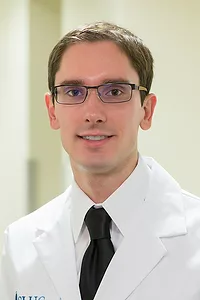
Brian Holoyda, MD, MPH, MBA
CATR: Some clinicians hesitate to restrict medications, worrying about undertreatment. How do you balance safety and access?
Dr. Holoyda: That’s a valid concern. A rigid “never prescribe” list can backfire. There are times when quetiapine or bupropion are clinically appropriate. The key is understanding the risk-benefit balance for your environment and applying safeguards. Patient care comes first, but that doesn’t mean being naïve to diversion risks. It means prescribing deliberately, monitoring closely, and adjusting when misuse patterns change. Remember that taking steps to minimize misuse and diversion is not about punishment or withholding care. Rather, the goal should be improved safety. These medications, when used improperly, can cause real harm.
CATR: Patterns of misuse evolve. How can clinicians and systems stay ahead?
Dr. Holoyda: Diversion trends shift with every formulary change and word-of-mouth trend. What’s popular one year can vanish the next. The best protection is continuous feedback from nursing staff and custody officers. Review near-misses, listen to staff observations, and adjust protocols quickly. Those small, responsive system changes, more than any single drug restriction, are what keep patients safe.
CATR: Thank you for your time, Dr. Holoyda.



Recommended