• Home
  • Store
    • Total Access Subscriptions
    • Newsletter Subscriptions
    • Multimedia
    • Books
    • eBooks
    • ABPN SA Courses
    • Institutional Site Licenses
  • CME Center
  • Multimedia
    • Podcast
    • Webinars
    • Blog
  • Newsletters
    • General Psychiatry
    • Child Psychiatry
    • Addiction Treatment
    • Hospital Psychiatry
    • Geriatric Psychiatry
    • Psychotherapy and Social Work
  • Toolkit
  • FAQs
  • Log In
  • Register
  • Welcome
  • Sign Out
  • Subscribe
Access Purchased Content
Home » addiction

Articles Tagged with ''addiction''

Applying Dialectical Behavior Therapy to Addiction

August 1, 2016
From The Carlat Addiction Treatment Report
Issue Links: Learning Objectives | Editorial Information | PDF of Issue
Dialectical behavior therapy (DBT) is well-known for treating borderline personality disorder (BPD) and individuals at high risk for suicide. Two studies have shown that DBT has really good outcomes in terms of reducing substance use. In this interview, Dr. Linehan shares her knowledge of DBT as a treatment method for addiction.
Read More
Gabapentin

Reports of Gabapentin Misuse and Abuse Appear to Be True

August 1, 2016
Bret A. Moore, PsyD, ABPP
From The Carlat Addiction Treatment Report
Issue Links: Learning Objectives | Editorial Information | PDF of Issue
Bret A. Moore, PsyD, ABPP Board-Certified Clinical Psychologist, San Antonio, TX Dr. Moore has disclosed that he has no relevant financial or other interests in any commercial companies pertaining to this educational activity.
Gabapentin is FDA-approved for seizures and neuropathic pain, but it’s commonly used off-label for a variety of psychiatric and physical conditions, including anxiety, insomnia, borderline personality disorder, alcohol use disorders, and multiple pain disorders. Another aspect of gabapentin use that has come to light in recent years is a seemingly pervasive pattern of misuse and abuse.
Read More

Buprenorphine for Suicidality? Maybe

July 25, 2016
Bret A. Moore, PsyD, ABPP
...
Read More

Buprenorphine for Suicidality? Maybe

July 1, 2016
Bret A. Moore, PsyD, ABPP
From The Carlat Psychiatry Report
Issue Links: Learning Objectives | Editorial Information | PDF of Issue
bret-a-moore-psyd-abppBret A. Moore, PsyD, ABPP Board-Certified Clinical Psychologist, San Antonio, TX Dr. Moore has disclosed that he has no relevant financial or other interests in any commercial companies pertaining to this educational activity.
When patients become severely suicidal, we have few good treatment options. Recognizing the need for more options, Israeli researchers studied the use of very low doses of buprenorphine in suicidal patients. Patients with suicidal ideation were recruited from four medical centers.
Read More

Motivational Interviewing: Ten Tips

June 1, 2016
From The Carlat Addiction Treatment Report
Issue Links: Learning Objectives | Editorial Information | PDF of Issue
David Rosengren, PhD
Dr. Rosengren presents ten tips for motivational interviewing to help clinicians listen and help their clients struggling with addiction issues.
Read More
CLINICAL Q&A

Using Motivational Interviewing in Your Practice

June 1, 2016
David Rosengren, PhD
From The Carlat Addiction Treatment Report
Issue Links: Learning Objectives | Editorial Information | PDF of Issue

David Rosengren, PhD. President of Prevention Research Institute, Inc.
Dr. Rosengren has disclosed that he receives book royalties from Guilford Press. Dr. Carlat has reviewed this article and found no evidence of bias in this educational activity.

At its most basic, motivational interviewing is a conversation in which you are trying to help someone deal with ambivalence that prevents them from acting on a problematic behavior. At a more complex level, it has to do with things like paying attention to how the patient talks and what kind of language they’re using. In this interview, Dr. Rosengren discusses the language and process of motivational interviewing.
Read More
CLINICAL UPDATE

Medication Treatment of Anxiety Disorders in Substance Abusers

May 1, 2016
Daniel Carlat, MD
From The Carlat Addiction Treatment Report
Issue Links: Learning Objectives | Editorial Information | PDF of Issue
Daniel Carlat, MD  

Editor-in-Chief, Publisher, The Carlat Report.

Dr. Carlat has disclosed that he has no relevant relationships or financial interests in any commercial company pertaining to this educational activity.

While benzodiazepines are effective anti-anxiety workhorses for many patients, most guidelines tell us to avoid prescribing them to substance abusers. The concern is that the benzo high will remind patients of their substances of choice, and that benzo withdrawal symptoms will lead to old substance abuse habits.
Read More
EXPERT Q&A

Benzodiazepines: Dependence, Tolerance, and Addiction
May 1, 2016
Alex Stalcup, MD
From The Carlat Addiction Treatment Report
Issue Links: Learning Objectives | Editorial Information | PDF of Issue

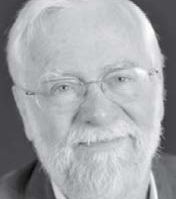
DrStalcup_headshot.jpgAlex Stalcup, MD
Medical director of the New Leaf Treatment Center in Lafayette, CA.
Dr. Stalcup has disclosed that he has no relevant financial or other interests in any commercial companies pertaining to this
educational activity.

One good way to think of benzodiazepines is that they are literally, physiologically anyway, alcohol in a pill. Especially the fast-onset/fast-offset benzodiazepines like alprazolam (Xanax) have a very similar pharmacologic profile to alcohol. This discussion with Dr. Alex Stalcum covers strategies of using benzodiazepines as anxiety treatments for substance-abusing patients.
Read More
RESEARCH UPDATE

Synthetic THC and Antihypertensive Provide Little Benefit for Cannabis Dependence

May 1, 2016
Bret A. Moore, PsyD, ABPP
From The Carlat Addiction Treatment Report
Issue Links: Learning Objectives | Editorial Information | PDF of Issue
Bret A. Moore, PsyD, ABPP. Board-Certified Clinical Psychologist, San Antonio,.

Dr. Moore has disclosed that he has no relevant financial or other interests in any commercial companies pertaining to this educational activity.
Second only to alcohol, marijuana is the most common reason people enter substance abuse treatment. And unlike alcohol dependence, there are virtually no effective medications available for those addicted to it. It’s not from a lack of trying. A recent review of 14 drug studies for cannabis dependence revealed little benefit from antidepressants, anticonvulsants, or anxiolytics.
Read More
RESEARCH UPDATE

When Physicians Become Addicted: How Well Do Treatment Programs Work?

May 1, 2016
Bret A. Moore, PsyD, ABPP
From The Carlat Addiction Treatment Report
Issue Links: Learning Objectives | Editorial Information | PDF of Issue
Bret A. Moore, PsyD, ABPP. Board-Certified Clinical Psychologist, San Antonio, TX.

Dr. Moore has disclosed that he has no relevant financial or other interests in any commercial companies pertaining to this educational activity.
When physicians are diagnosed with opioid or other drug dependence, they are required to receive treatment from special physician health programs (PHP) if they want to keep their medical licenses. Unlike treatment programs for the general population, PHPs do not use opiate agonists, such as methadone or buprenorphine.
Read More
Previous 1 2 … 11 12 13 14 15 16 17 18 19 … 22 23 Next
Try The New AskCarlat AI

Ask any clinical question—our AI responds using only the peer-reviewed, editorially vetted content from Carlat Publishing.

Available In The Carlat Toolkit
Free Psychiatry Updates
The latest unbiased psychiatric information sent to your inbox.
Specify Your Interests
Featured Book
  • MFB8e_SpiralCover.png

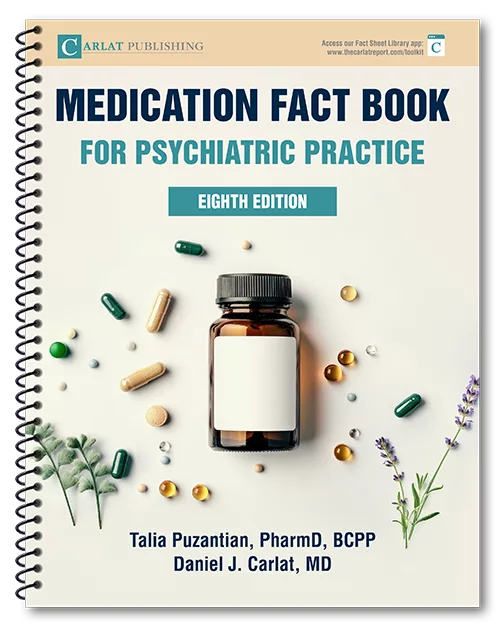
    Medication Fact Book for Psychiatric Practice, Eighth Edition (2026)

    Updated 2026 prescriber's guide.
    READ MORE
Featured Video
  • KarXT (Cobenfy)_ The Breakthrough Antipsychotic That Could Change Everything.jpg
    General Psychiatry

    KarXT (Cobenfy): The Breakthrough Antipsychotic That Could Change Everything

    Read More
Featured Podcast
  • RogerSolomon2023.jpg
    General Psychiatry

    EMDR in Practice: A Clinician's Guide to Trauma Reprocessing with Roger Solomon, PhD

    Dr. Roger Solomon provides a comprehensive introduction to Eye Movement Desensitization and Reprocessing (EMDR).

    Listen now
Recommended
  • Join Our Writing Team

    July 18, 2024
    WriteForUs.png
  • Insights About a Rare Transmissible Form of Alzheimer's Disease

    February 9, 2024
    shutterstock_2417738561_PeopleImages.com_Yuri A.png
  • How to Fulfill the DEA's One Time, 8-Hour Training Requirement for Registered Practitioners

    May 24, 2024
    DEA_Checkbox.png
  • Join Our Writing Team

    July 18, 2024
    WriteForUs.png
  • Insights About a Rare Transmissible Form of Alzheimer's Disease

    February 9, 2024
    shutterstock_2417738561_PeopleImages.com_Yuri A.png
  • How to Fulfill the DEA's One Time, 8-Hour Training Requirement for Registered Practitioners

    May 24, 2024
    DEA_Checkbox.png
  • Join Our Writing Team

    July 18, 2024
    WriteForUs.png
  • Insights About a Rare Transmissible Form of Alzheimer's Disease

    February 9, 2024
    shutterstock_2417738561_PeopleImages.com_Yuri A.png
  • How to Fulfill the DEA's One Time, 8-Hour Training Requirement for Registered Practitioners

    May 24, 2024
    DEA_Checkbox.png

About

  • About Us
  • CME Center
  • FAQ
  • Contact Us

Shop Online

  • Newsletters
  • Multimedia Subscriptions
  • Books
  • eBooks
  • ABPN Self-Assessment Courses

Newsletters

  • The Carlat Psychiatry Report
  • The Carlat Child Psychiatry Report
  • The Carlat Addiction Treatment Report
  • The Carlat Hospital Psychiatry Report
  • The Carlat Geriatric Psychiatry Report
  • The Carlat Psychotherapy Report

Contact

carlat@thecarlatreport.com

866-348-9279

PO Box 626, Newburyport MA 01950

Follow Us

Please see our Terms and Conditions, Privacy Policy, Subscription Agreement, Use of Cookies, and Hardware/Software Requirements to view our website.

© 2026 Carlat Publishing, LLC and Affiliates, All Rights Reserved.